7 signs of a slab leak
No single sign proves a slab leak, but two or more together are worth checking.
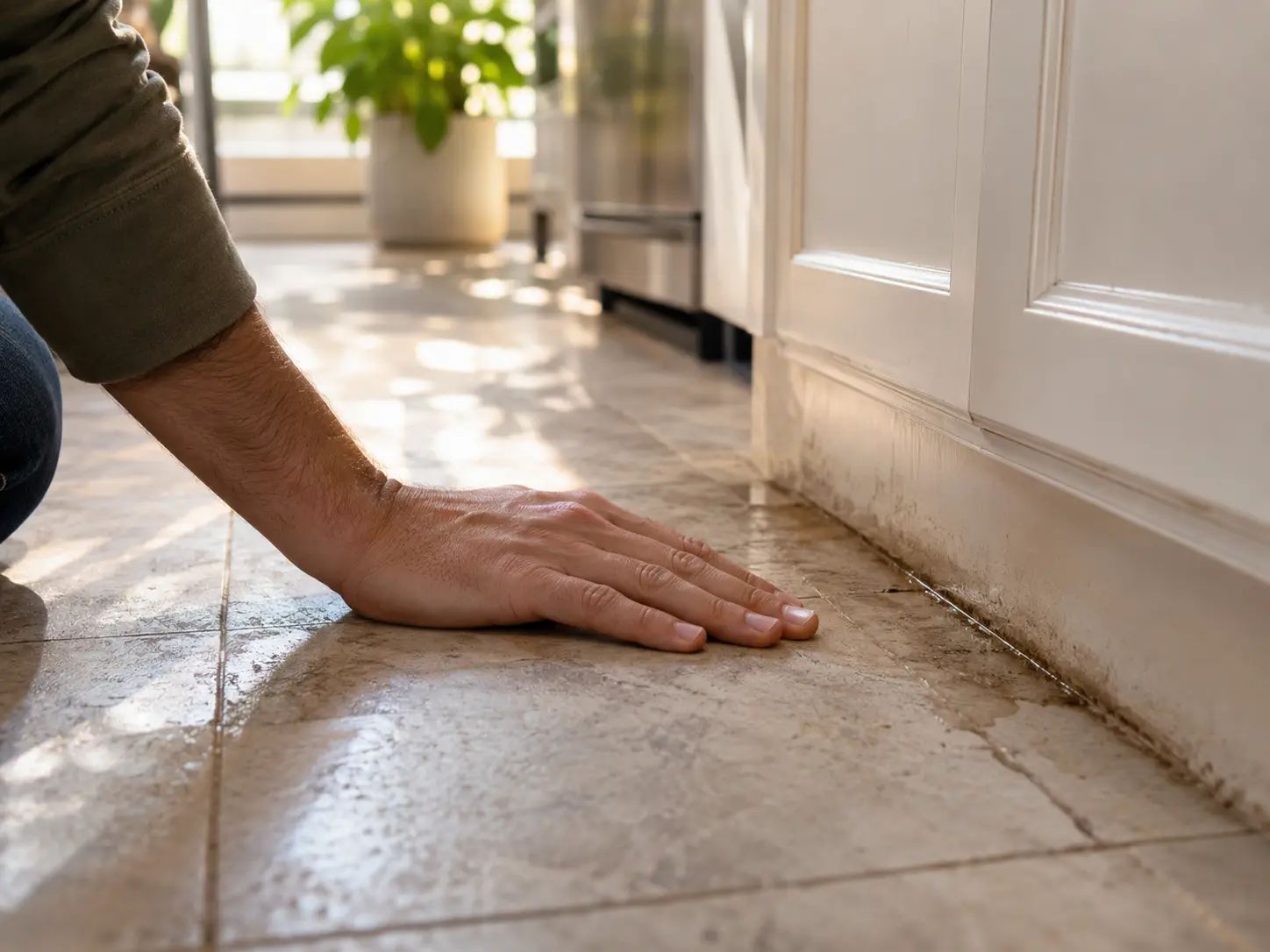
- 1A warm spot on the floor. A leaking hot water line can make the floor above it feel warmer than the rest of the room.
- 2The sound of running water when nothing is on. Listen near the floor with every faucet and appliance off.
- 3A water bill that jumps for no reason. If your usage hasn't changed and the bill has, water is going somewhere.
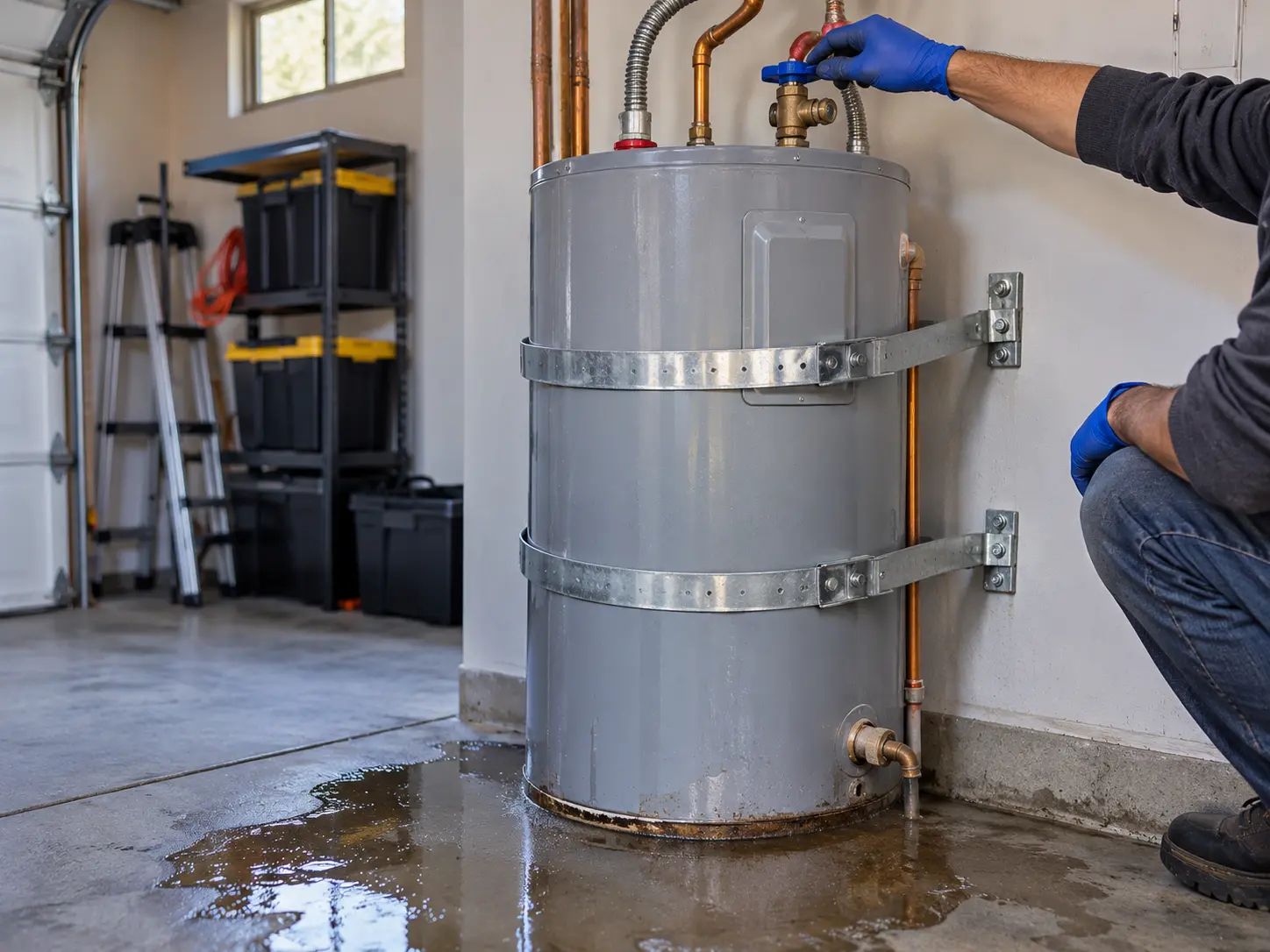
- 4A water heater that runs constantly. A leaking hot water line keeps drawing hot water, so the heater keeps working.
- 5Damp or warped flooring. Carpet that feels damp, wood that cups or buckles, or tile that loosens can all point to water underneath.
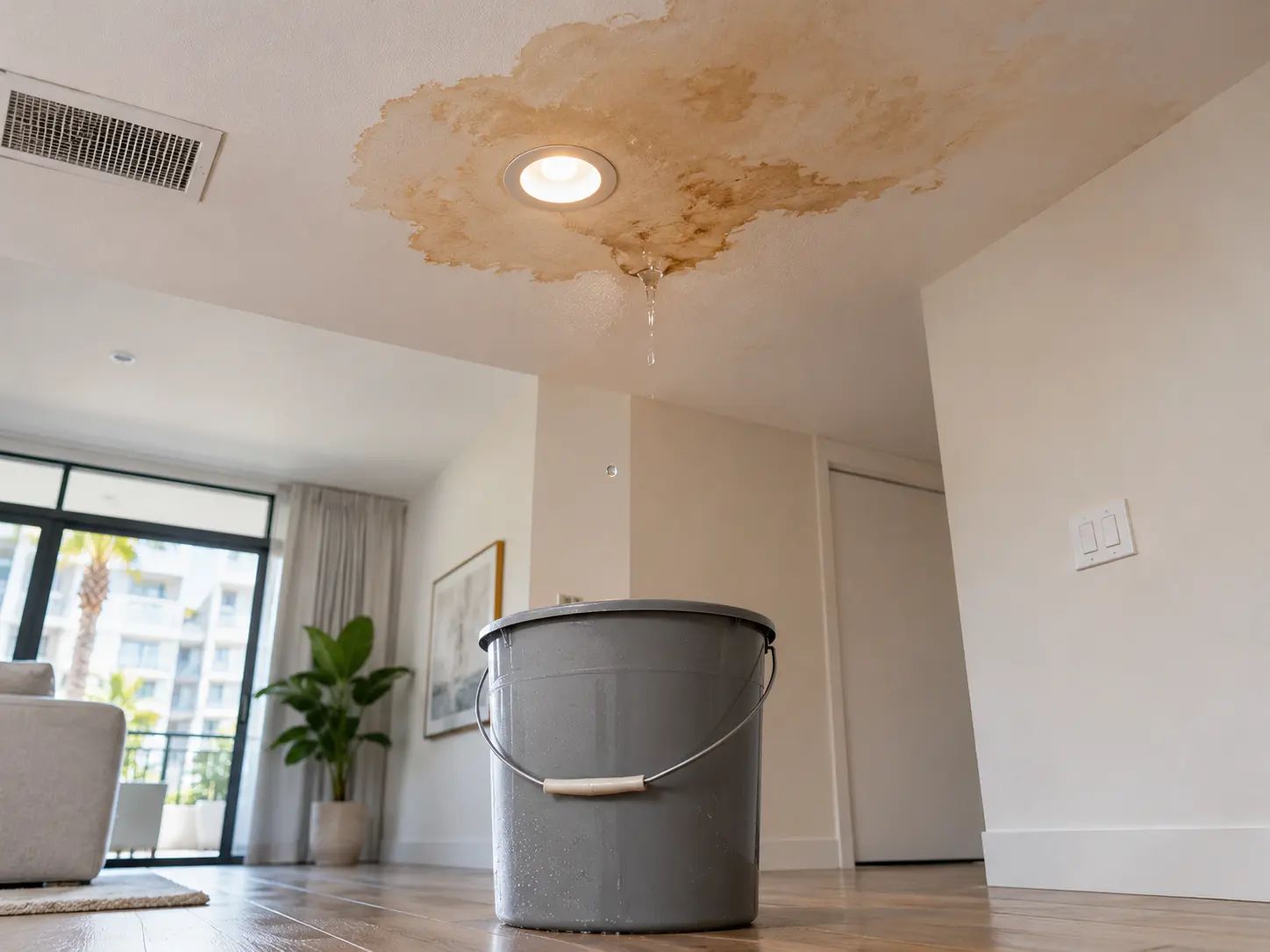
- 6Moisture or stains at the base of walls. Water under the slab can wick up into drywall and baseboards from below.
- 7A musty smell. Moisture trapped under flooring can start to smell before anything is visible.
Test it with your water meter
You can check for a leak yourself in a couple of hours. The EPA's WaterSense program advises: "Check your water meter before and after a two-hour period when no water is being used. If the meter changes at all, you probably have a leak."
To do the test:
- 1Turn off every faucet, shower, toilet, sprinkler and water-using appliance.
- 2Find your water meter, usually in a box near the street or sidewalk, and note the reading.
- 3Wait two hours without using any water.
- 4Check the reading again.
If the meter moved, something is leaking. It might be a toilet, an irrigation line or a pipe under the slab. A running toilet is a common culprit, so rule it out by adding a few drops of food coloring to the tank. If color shows up in the bowl without flushing, the toilet is leaking.
Why small leaks matter
Leaks add up. The EPA says "the average household's leaks can account for more than 9,300 gallons of water wasted every year." A slab leak also keeps your floors and walls wet for as long as it runs.
Why older and larger homes see more of them
Older plumbing is more likely to leak. Many Orange County neighborhoods were built during the region's fast growth after World War II. In Anaheim, the population grew from 14,556 in 1950 to 166,408 in 1970, and many homes from that era may still have original plumbing.
Larger homes have their own risk. More bathrooms and longer pipe runs mean more pipe under the slab, and a leak can travel further before anyone notices. That's a common pattern in cities like Villa Park, where homes sit on lots averaging about half an acre.
What happens after a slab leak is found
A slab leak takes two kinds of work.
Fixing the pipe
That's a plumber's job. A plumber locates the leak, then either repairs that section of pipe or reroutes the line so it no longer runs under the slab. The right choice depends on the pipe, its age and where the leak is.
Drying everything the water reached
This is the part that often gets missed. Fixing the pipe stops new water, but the water already under the flooring and in the walls stays there.
Concrete holds moisture and dries slowly. Flooring on top of a wet slab, like hardwood, laminate or carpet pad, can trap it even longer. The EPA says that "if wet or damp materials or areas are dried 24-48 hours after a leak or spill happens, in most cases mold will not grow." Most slab leaks run far longer before they're found.
Structural drying maps how far the water spread, then dries the slab, walls and flooring. Daily readings show when each area reaches a dry target. Our page on burst pipes covers slab leak cleanup in more detail. If the leak ran long enough to smell musty, see mold remediation.
Keep records from day one
If you plan to request compensation from your insurance company, start documenting as soon as you suspect a leak. Take photos of warm spots, damp flooring and stains. Keep your water bills and the meter readings from your test.
A water damage company can add documentation of its own: photos, daily moisture readings, a list of removed materials and a written scope of work. You can submit these to your insurance company. Whether a loss is covered is between you and your insurer.
Think you have a slab leak?
Call a plumber to find and fix the leak, then call Tustin Dry Out at [PHONE] to dry what the water reached. We answer 24 hours a day and cover water damage restoration in Tustin and Orange County, including Anaheim, Santa Ana and Orange, CA.
Call [PHONE] →Quick answers
Q.How do I know if I have a slab leak?
Look for a warm spot on the floor, the sound of running water when everything is off, a higher water bill, or damp flooring. Then do the two-hour water meter test. If the meter moves, call a plumber to locate the leak.
Q.Is a slab leak an emergency?
It's urgent, even if it isn't dramatic. The longer it runs, the more flooring and wall material it soaks. If water is visible on the floor or the meter is moving fast, shut off the main valve and call a plumber.